John Doe
General SurgeonPretium saepe pariatur ornare cillum repudiandae inceptos iaculis cumque vulputate sequi neque quos exercitation aliquip interdum, veniam? Aute error, elit!

Pretium saepe pariatur ornare cillum repudiandae inceptos iaculis cumque vulputate sequi neque quos exercitation aliquip interdum, veniam? Aute error, elit!
A laparoscope is a thin, long tube-like device having a camera at one end of the laparoscope. The laparoscope mostly has a camera and a tiny flash at one of the tips. A laparoscope is a minimally invasive technique that visualizes inside your stomach or pelvis. Healthcare practitioners use laparoscopy to identify the inside conditions of the patient so as to perform surgeries on the patient. Surgeries that utilize laparoscopes are called laparoscopic surgeries.
Laparoscopic surgery is a minimally invasive surgery that is used for numerous diagnostic purposes. Laparoscopy is exploratory laparoscopy, which helps in therapeutic treatment of the disease. Other therapeutic procedures, like the removal of gallbladder and repairing hernias, are also practiced under laparoscopic surgeries.
Compared with old traditional surgical procedures, these advanced laparoscopic surgeries are very helpful to patients dealing with various conditions, as they cause minimal pain, scars, blood loss, and really a faster recovery time than traditional surgical procedures.
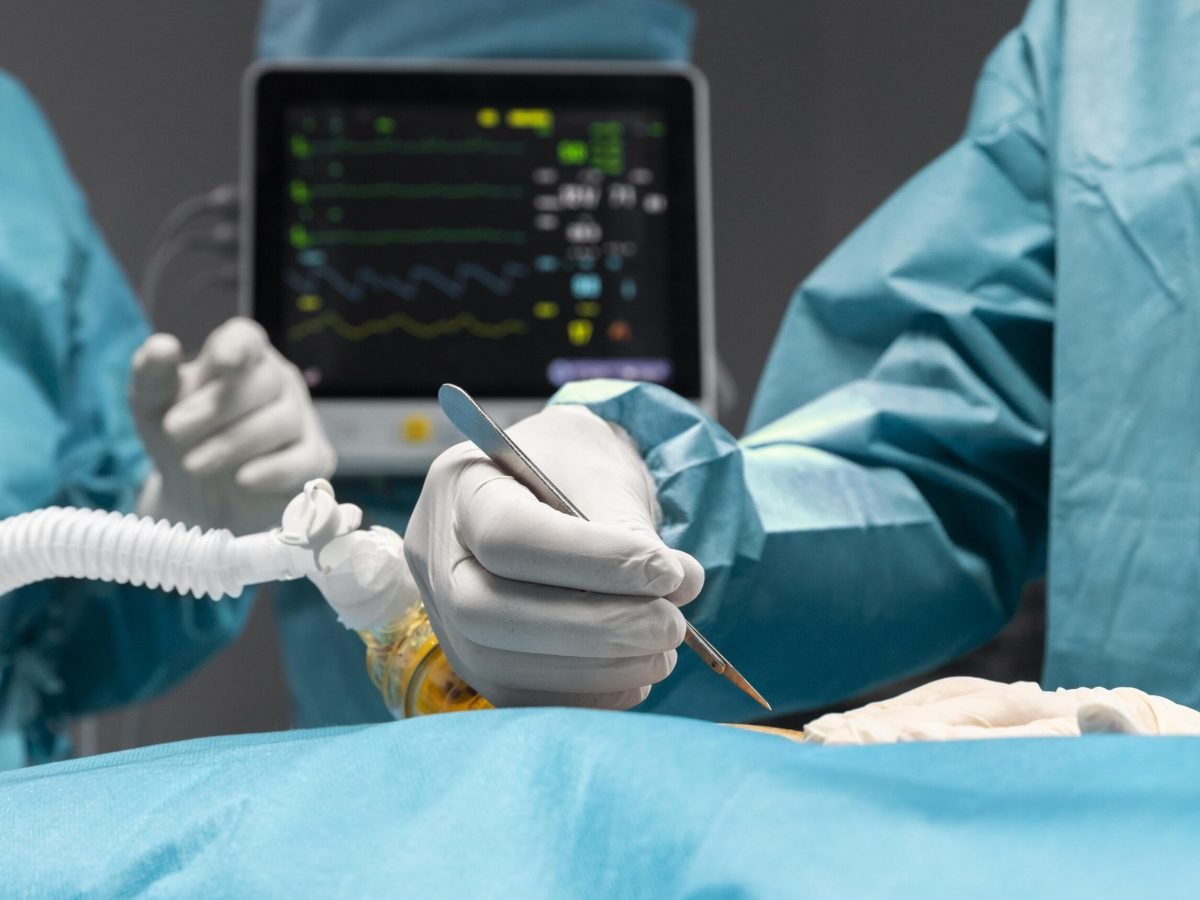
Here are some cases where laparoscopic surgeries are performed:
1. Cyst, fibroid, stone, and polyp removals.
2. Biopsies to detect the presence of cancer.
3. Ectopic pregnancy removal.
4. Endometriosis surgery.
6. Gallbladder stone removal surgery.
8. Appendectomy surgery (removal of appendix)
9. Rectopexy (rectal prolapse repair)
10. Small tumor removal.
Why is laparoscopic cholecystectomy performed?
There are various advantages to choosing laparoscopic cholecystectomy over other traditional processes available.
Laparoscopic surgeries are painless: small incisions are made in this procedure, and the number of incisions is also less, thus making this process less painful before as well as after the surgery, as these incisions are minor and recover early.
There is less blood loss in laparoscopic surgeries as compared to traditional surgical procedures.
Traditional surgical procedures use large incisions for the insertion of surgical instruments, but these laparoscopic surgeries make small incisions that do not leave large scars after the surgery, as these scars can interfere with the appearance of the individual.
Laparoscopic surgery involves smaller incisions and less tissue damage; patients generally experience a faster recovery time than with traditional open surgery.
Laparoscopic surgeries involve smaller incisions, so the chances of infection are very few. Small incisions recover easily in a short period of time.
Laparoscopic surgeries provide surgeons with high-resolution images of the inside view of the body; this allows greater precision and accuracy during the procedure.
A shorter hospital stay is required in laparoscopic surgeries; patients admitted in hospitals stay in hospital for a few days after the surgery, as recovery time is less in this type of surgery as compared to traditional surgeries.
How does laparoscopic surgery work?
1. Small Incisions: It’s advised to the patient not to drink or smoke before the procedure starts as it may interfere with the procedure internally. Then Typically, 3–4 small incisions (0.5–1 cm) are made rather than one large incision as in traditional surgery. These incisions are minor, made in order to insert surgical instruments and laparoscopes into the body.
2. Insertion of a Camera: Through the incisions, a laparoscope (a thin tube with a light and a camera) is inserted through the abdomen or pelvis into the body, providing a live video feed to the surgical team, which has high-resolution power, giving clear images of internal organs.
3. Surgical Instruments: Specialized instruments are inserted through the other incisions to perform the operation. These surgical instruments assist the process of laparoscopic surgery.
4. Gas Inflation: The abdominal cavity is inflated with carbon dioxide to provide a clear view and room for the surgeon to work. This process helps to get high-resolution pictures so as to accurately treat the affected area inside the patient’s body.
Recovery is typically faster and easier compared to traditional open surgery, but it varies based on the type of procedure and individual factors. Here’s a general guide:
Immediate Recovery (First 24–48 Hours)
1. Hospital Stay:
Many laparoscopic procedures are outpatient surgeries, allowing patients to go home the same day because the fewest complications arise after laparoscopic surgeries. Some may require a 1-2-day hospital stay for monitoring the blood levels and blood pressure levels in the body; this entirely depends on the health conditions of the patient and eating habits of the patients.
2. Pain and Discomfort:
As anesthesia is already administered before the surgery, the pain associated with this surgery is less because the patient is half asleep and hence does not feel the pain. After the surgery, mild to moderate pain at the incision sites is common and managed with anti-inflammatory medications.
Shoulder pain may occur due to the carbon dioxide gas used to inflate the abdomen, which can irritate the diaphragm.
3. Activity Restrictions:
Rest is recommended, along with the avoidance of lifting heavy weights that can put stress on the operated area. Most of the time, bleeding can burst out from the operated area due to lifting heavy weights. But light movement (e.g., walking) is encouraged to prevent blood clots and to improve mobility of the body.
4. Diet:
Start with light or liquid foods that can ease the process of digestion without stressing the digestive system and operating area. Gradually return to a normal diet as tolerated after a certain period of time.
Short-Term Recovery (First Week)
1. Incision Care:
Keep incision sites clean and dry. To prevent outbreaks of fungal and bacterial infections.
Follow your surgeon’s instructions for dressing changes or showering.
2. Activity Level:
Avoid strenuous activities, heavy lifting, and vigorous exercise as it can worsen the operated area with a number of problems.
Resume light daily activities as pain allows in order to shift gradually to normal daily activities.
3. Symptoms to Watch:
Mild swelling or bruising is normal, but contact your doctor if you notice redness, excessive swelling, or drainage from the incision sites because these are the signs that need to take serious action before the condition becomes complicated. Sometimes, due to patients’ poor preventive care after the surgery, such issues may arise.
Mid-Term Recovery (Weeks 2–4)
1. Gradual Increase in Activity:
Resume light exercise (e.g., walking) and work (if not physically demanding).
Avoid high-impact activities until cleared by your surgeon.
There can be chances of getting urine (pee) in green color after the surgery as there are high chances of dying materials used by the doctor.
2. Diet and Digestion:
Most patients can eat normally by this stage. Don’t drink or smoke immediately after the surgery, as it can badly affect the surgical procedure. If surgery involves the digestive system, follow dietary recommendations suggested by the dietician after the surgery.
Ensure to eat healthy to improve health conditions and the body’s natural defense mechanisms against various diseases.
3. Pain Management:
Pain and discomfort usually diminish significantly. Natural over-the-counter pain relievers may be sufficient if needed. After due course of time pain in the operated area automatically relieves, making patients feel better and healthier.
Full Recovery (4–6 Weeks)
1. Return to Normal Life:
Most patients can return to full activities, including exercise, heavy lifting, and work.
Scarring:
Incision scars will fade over time, though complete healing may take several months. Several ointments and creams are available in the pharmacy stores that help to reduce these postoperative scars and are resulting in effects.
Follow-Up Appointment:
Ensure proper healing and discuss any concerns with your surgeon. You should consult your doctor if you have any of the symptoms from these, like fever and chills, redness or swelling around your incisions, vomiting, problems in urination, and abnormal discharges from the incisions.
